Nahttypen
Meta Description
Learn everything about nahttypen with clear explanations, real examples, and an easy table. Perfect for beginners, students, and professionals.
Introduction:
Nahttypen is a word many beginners see in sewing books, patterns, or fashion courses and feel confused by. In simple terms, nahttypen means types of seams used to join fabric pieces together. Every shirt, pair of jeans, curtain, or jacket depends on the right seam to hold shape, strength, and comfort. When the wrong seam is used, clothes tear, twist, or feel uncomfortable on the skin. When the right seam is used, garments last longer and look professional.
This guide explains nahttypen in the clearest way possible. You do not need a fashion degree to understand it. I will use real-world examples from daily clothing and home sewing projects. You will learn why one seam works best for denim while another is perfect for silk. Each section builds slowly so even a child could follow along. By the end, you will confidently choose the correct seam for any fabric, style, or purpose.
Understanding Nahttypen and Why They Matter So Much
Nahttypen are more than just stitches holding fabric together. They control how clothing fits, moves, and survives washing. A strong seam keeps jeans from ripping. A soft seam keeps baby clothes gentle on skin. A flexible seam allows sportswear to stretch without breaking. Every choice matters, even if it looks invisible from the outside.
From my experience, beginners often focus only on fabric and ignore seam choice. This leads to frustration later. For example, using a basic seam on stretch fabric causes popping stitches. Using a bulky seam on light fabric makes clothing uncomfortable. Understanding nahttypen solves these problems early. It saves time, money, and effort.
Professional tailors rely on seam knowledge daily. Fashion brands test seam strength before selling clothes. Home sewists benefit just as much. Once you understand seam behavior, sewing becomes easier and more enjoyable.
How Nahttypen Are Classified in Sewing and Fashion
Nahttypen are usually grouped by structure, strength, and purpose. This makes them easier to understand and choose correctly. Some seams are flat. Others overlap. Some hide raw edges while others expose them. Each type has a job.
In garment construction, seams are often classified into basic seams, finished seams, decorative seams, and special-use seams. This system helps designers plan how clothing will look and feel. For example, underwear needs smooth seams. Jackets need strong seams. Decorative seams are used where appearance matters most.
When learning nahttypen, it helps to think about daily clothing. Look inside your T-shirt, jeans, or coat. You will see different seams used in different areas. This is not random. Each seam was chosen for a reason, based on fabric and function.
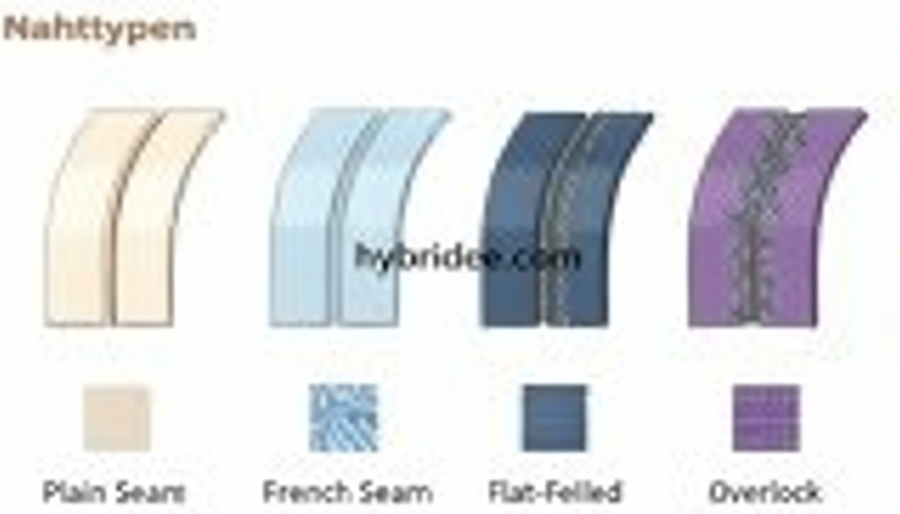
Plain Seam (Basic Seam): The Foundation of All Nahttypen
The plain seam is the most common seam and the first nahttypen most people learn. It joins two fabric pieces with straight stitching. This seam appears in shirts, dresses, pillowcases, and almost everything else. It is easy to sew and works well for woven fabrics.
Despite its simplicity, the plain seam needs finishing. Without finishing, raw edges can fray and weaken. This is why it is often combined with zigzag stitching, pinking, or overlocking. When done properly, it creates clean and reliable results.
From personal experience, beginners often underestimate this seam. But mastering it builds confidence fast. Once you sew straight, even stitches, everything else becomes easier. It is the backbone of sewing and the starting point for understanding all other nahttypen.
French Seam: The Cleanest Nahttypen for Delicate Fabrics
French seams are designed for light and delicate fabrics like silk, chiffon, and cotton lawn. This seam hides raw edges completely inside the seam. The result looks neat on both the inside and outside of the garment.
This nahttypen is popular in high-quality clothing and luxury fashion. It prevents fraying without using extra machines. Although it takes two stitching steps, the final look is worth it. Dresses, blouses, and baby clothes often use French seams for comfort.
I often recommend French seams to beginners sewing light fabrics. They feel professional and forgiving. Even if your stitching is not perfect, the seam still looks clean. This seam also feels smooth on the skin, which makes a big difference in comfort.
Flat-Felled Seam: Strong and Durable for Everyday Wear
Flat-felled seams are one of the strongest nahttypen used in clothing. You see them on jeans, workwear, and heavy shirts. This seam locks fabric layers together and hides raw edges inside a folded structure.
It takes more effort to sew, but the strength is unmatched. This is why denim pants rely on it. The seam can handle pulling, bending, and repeated washing. It also lies flat, which reduces skin irritation.
From real sewing projects, this seam is perfect when durability matters most. If you want clothing that lasts years, flat-felled seams are the answer. They are proof that good seam choice can double the life of a garment.
Overlocked Seam: Modern Nahttypen for Speed and Stretch
Overlocked seams are common in modern clothing. They are created using a serger machine. This seam trims raw edges and stitches them at the same time. It is fast, neat, and flexible.
Stretch fabrics like jerseys depend on this seam. It allows movement without breaking stitches. T-shirts, sportswear, and underwear rely heavily on overlocked seams for comfort and elasticity.
While not everyone owns a serger, many home sewists upgrade once they understand this nahttypen. It saves time and gives a factory-finished look. Even simple projects feel more professional when seams are clean and flexible.
Bound Seam: Decorative and Protective at the Same Time
Bound seams use fabric strips or bias tape to cover raw edges. This nahttypen combines strength with beauty. It is often used in unlined jackets, bags, and special garments.
This seam protects fabric edges from wear and adds color or contrast. Designers love bound seams because they turn the inside of clothing into something beautiful. It also increases garment life by preventing fraying.
In my experience, bound seams are great for creative sewing. They allow personal style to shine. A simple jacket becomes special when the inside looks as good as the outside.
Lapped Seam: Ideal for Leather and Heavy Materials
Lapped seams overlap fabric layers instead of placing them edge to edge. This nahttypen is common in leather, vinyl, and thick materials. It reduces bulk and adds strength.
Because heavy materials do not fray easily, overlapping works well. Bags, upholstery, and outerwear often use this seam. It is also visually bold, making it useful for design details.
When working with leather, lapped seams are easier than traditional seams. They reduce needle stress and create a clean finish without folding thick layers.
Slot Seam: Decorative Nahttypen with Visual Impact
Slot seams are decorative seams where fabric edges are turned under, leaving a visible gap filled with another fabric. This nahttypen is more about style than strength.
You often see it in fashion garments where design matters. Dresses, skirts, and jackets use slot seams for visual interest. They create texture and contrast without heavy decoration.
While not for beginners, slot seams teach control and precision. They show how seams can be design elements, not just construction tools.
Taped Seam: Waterproof Nahttypen for Outdoor Clothing
Taped seams seal stitching holes using waterproof tape. This nahttypen is essential in rain jackets, tents, and outdoor gear. It prevents water from leaking through seams.
Even strong stitching can allow moisture through needle holes. Taping solves this problem. Outdoor brands rely on this seam type to protect users from weather.
If you enjoy outdoor sewing projects, learning taped seams is valuable. It shows how seam choice affects performance, not just appearance.
Complete Detailing Table of Nahttypen
| Nahttypen Name | Best Fabric | Strength | Appearance | Common Uses |
| Plain Seam | Cotton, Linen | Medium | Simple | Shirts, Dresses |
| French Seam | Silk, Sheer | Medium | Very Clean | Blouses, Baby Wear |
| Flat-Felled Seam | Denim | Very High | Flat | Jeans, Workwear |
| Overlocked Seam | Knit | High | Neat | T-Shirts, Sportswear |
| Bound Seam | Woven | High | Decorative | Jackets, Bags |
| Lapped Seam | Leather | Very High | Bold | Upholstery |
| Slot Seam | Woven | Medium | Decorative | Fashion Garments |
| Taped Seam | Synthetic | High | Hidden | Rainwear |
Common Mistakes People Make When Choosing Nahttypen
Many people choose seams based on habit instead of fabric needs. This causes poor results. Stretch fabric needs stretch seams. Heavy fabric needs strong seams. Ignoring this leads to tearing and discomfort.
Another mistake is skipping seam finishing. Raw edges weaken garments fast. Even simple seams need protection. Good seam choice always considers washing, wearing, and movement.
Learning from mistakes is normal. Every sewist improves by testing different seams and observing results.
FAQs
What is the easiest nahttypen for beginners?
The plain seam is easiest. It builds basic sewing skills quickly.
Which nahttypen is strongest for clothing?
Flat-felled seams offer the highest strength for daily wear.
Can I sew nahttypen without special machines?
Yes. Most seams can be sewn with a regular machine.
Are nahttypen important for comfort?
Yes. Seam choice affects skin feel and movement.
Which nahttypen works best for stretch fabric?
Overlocked seams work best for stretch materials.
Do professional brands use different nahttypen?
Yes. Brands select seams based on durability and design.
Conclusion:
Understanding nahttypen changes how you sew forever. Instead of guessing, you make smart choices. Clothes fit better. They last longer. They feel better to wear. Seam knowledge turns simple projects into professional results.
Whether you sew for fun, fashion, or function, seam choice matters. Start observing seams in daily clothing. Practice different types. With time, choosing the right seam becomes second nature.